




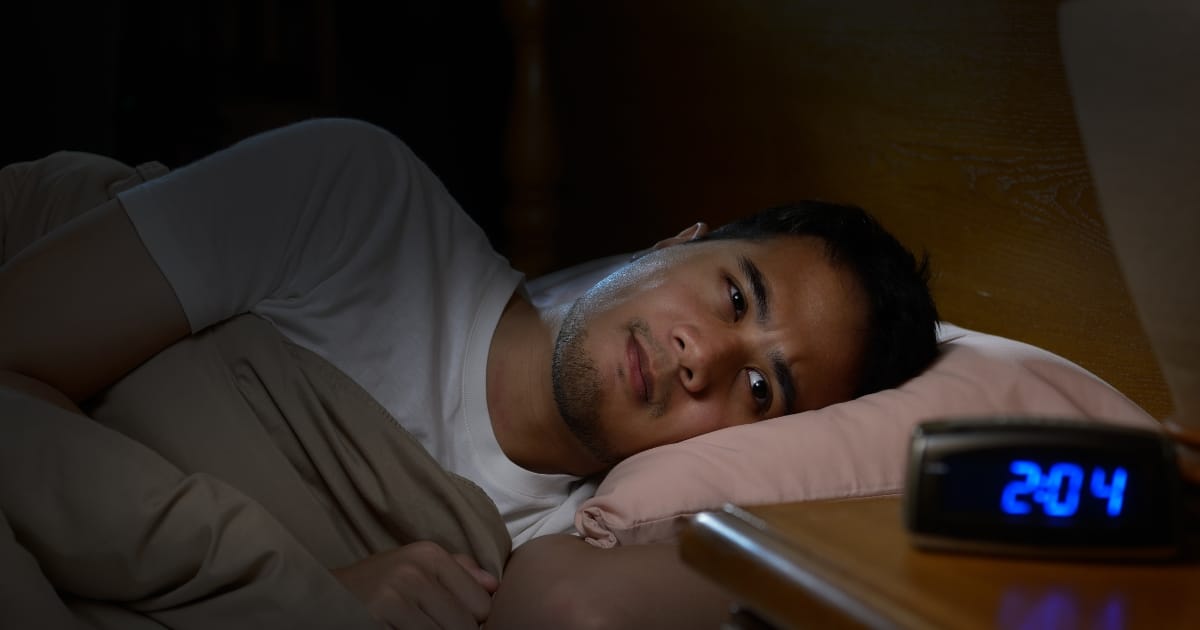
Millions of adults lie awake night after night, exhausted but unable to sleep, asking the same question: is insomnia curable? The answer depends entirely on what’s driving the sleeplessness. When mental health conditions like depression, anxiety, or trauma fuel chronic insomnia, treating the sleep problem alone rarely works. The insomnia and mental health connection runs in both directions—each condition worsens the other in a cycle that demands integrated treatment.
Understanding whether this condition can be cured requires distinguishing between acute insomnia, which resolves quickly with behavioral changes, and chronic insomnia rooted in underlying psychiatric conditions. For many adults, the path to lasting sleep improvement begins not with a pill or a sleep tracker, but with addressing the mental health issues that keep the mind racing long after the body craves rest.
What Makes Insomnia Curable or Chronic in Adults
Acute insomnia lasts fewer than three months and typically stems from identifiable stressors—job loss, relationship conflict, or temporary life disruption. Chronic insomnia, by contrast, persists for three months or longer and often signals deeper issues. At this chronic stage, what causes insomnia in adults frequently isn’t situational stress — it’s untreated mental health conditions.
The distinction matters because curability hinges on root causes. Whether recovery is possible depends on accurately diagnosing which category applies to your situation. Situational insomnia clears when circumstances improve. Mental health-driven insomnia requires targeted psychiatric treatment alongside sleep-focused interventions. Depression disrupts sleep architecture by altering REM cycles and causing early morning awakening. Anxiety disorders trigger hyperarousal that prevents the nervous system from downregulating at night. Post-traumatic stress disorder fragments sleep with intrusive thoughts and nightmares.
The Bidirectional Sleep-Mental Health Cycle
Poor sleep impairs the prefrontal cortex’s ability to regulate emotions, worsening anxiety and depression. Meanwhile, the psychiatric condition continues disrupting sleep architecture through neurochemical imbalances, creating a reinforcing loop that demands integrated treatment.
| Insomnia Type | Typical Duration | Curability Outlook |
|---|---|---|
| Acute (situational) | Days to weeks | Highly curable with behavioral changes |
| Chronic (behavioral) | 3+ months | Manageable with CBT-I and habit modification |
| Chronic (mental health-driven) | Months to years | Requires integrated psychiatric and sleep treatment |
How Mental Health Conditions Drive Long-Term Sleep Problems
Depression alters neurotransmitter systems that regulate sleep-wake cycles, particularly serotonin and norepinephrine pathways. This disruption manifests as difficulty falling asleep, frequent nighttime awakenings, or waking hours before the alarm with an inability to return to sleep. Anxiety disorders activate the sympathetic nervous system, keeping the body in a state of heightened alertness that prevents the parasympathetic relaxation necessary for sleep onset.
Post-traumatic stress disorder fragments sleep through hypervigilance and intrusive memories. The brain remains on alert for threats even during rest periods, leading to shallow sleep and frequent awakenings. Bipolar disorder introduces additional complexity—manic episodes reduce the need for sleep while depressive episodes cause hypersomnia or insomnia. This is why “Is insomnia curable?” becomes a more complex question when psychiatric conditions are involved. Each condition creates distinct neurological and hormonal imbalances that directly interfere with sleep architecture.
Treating sleep problems in isolation when mental health drives the issue rarely produces lasting results. The underlying psychiatric condition must be addressed for sleep to normalize.
Signs that mental health may be driving your insomnia include:
- Persistent worry or rumination that intensifies at bedtime, making it difficult to quiet the mind
- Early morning awakening accompanied by negative thoughts, guilt, or hopelessness
- Sleep disruption that began after a traumatic event, major loss, or significant life stressor
- Insomnia occurring alongside mood changes such as persistent sadness, irritability, or emotional numbness
- Physical symptoms of anxiety at night including rapid heartbeat, muscle tension, or shortness of breath
Evidence-Based Treatment Options That Actually Work for Chronic Insomnia
Understanding chronic insomnia treatment options begins with cognitive behavioral therapy for insomnia (CBT-I), the gold standard first-line approach recommended by sleep medicine experts. CBT-I addresses the thoughts and behaviors that perpetuate poor sleep. The therapy includes stimulus control, sleep restriction, and cognitive restructuring to break maladaptive patterns. Research consistently demonstrates that CBT-I produces longer-lasting results than medication alone.
When mental health conditions underlie chronic insomnia, integrated treatment approaches yield the best outcomes. For those wondering if insomnia is curable when mental health is involved, integrated treatment offers the strongest evidence for lasting recovery. This means simultaneously addressing the psychiatric disorder through appropriate therapy or medication while implementing sleep-focused behavioral interventions. A person with depression and insomnia might receive antidepressant treatment alongside behavioral sleep therapy.
Medication plays a role but works best as a short-term tool rather than a standalone solution. Sleep medications can provide temporary relief during acute crises or while behavioral therapies take effect, but they don’t address underlying causes. Antidepressants with sedating properties may help when depression drives the sleep problem. However, relying solely on medication without behavioral change typically leads to tolerance, dependence, or return of symptoms once the drug is discontinued.
Natural Approaches and Their Limitations
Learning how to cure insomnia naturally appeals to many, and basic strategies do help mild cases. Consistent sleep-wake times, reduced caffeine, limited screen exposure, and a cool, dark bedroom all support better rest. These approaches work well for situational insomnia or as adjuncts to professional treatment.
Natural methods alone rarely resolve chronic insomnia when psychiatric conditions drive the problem. A person with major depression cannot meditate their way out of disrupted REM sleep caused by neurotransmitter imbalances. Someone with PTSD-related hypervigilance needs trauma-focused therapy. Realistic timelines matter—mild insomnia may improve in two to four weeks with consistent behavioral changes, but chronic insomnia typically requires six to twelve weeks of structured treatment for significant, lasting improvement.
| Treatment Approach | Best For | Expected Timeline |
|---|---|---|
| Sleep hygiene alone | Mild, situational insomnia | 2–4 weeks |
| CBT-I | Chronic insomnia without comorbid conditions | 6–8 weeks |
| Integrated mental health treatment | Insomnia with depression, anxiety, or trauma | 8–12 weeks |
| Medication-assisted treatment | Acute relief or adjunct to therapy | Days to weeks (short-term use) |
When Sleep Won’t Improve on Its Own
Many adults spend months or years trying to fix sleep problems on their own before seeking professional evaluation. The reason self-help falls short often lies in undiagnosed or undertreated mental health conditions that require specialized intervention beyond self-help measures.
Professional help becomes necessary when insomnia persists beyond three months, significantly impairs daily functioning, or occurs alongside mood changes. Can you recover from chronic insomnia? Yes—but recovery typically requires identifying and treating the underlying cause with professional guidance.
Long-term insomnia solutions demand more than symptom management. They require understanding the complex interplay between sleep physiology, mental health, and learned behaviors that perpetuate the problem. A comprehensive evaluation examines sleep patterns, psychiatric history, and lifestyle factors to create an individualized treatment plan. This thorough approach offers the best chance for lasting improvement rather than temporary relief.

Recovery Starts With the Right Support at San Jose Mental Health
If you’re asking, “Is insomnia curable?” when mental health is the root cause, you can reach out for professional help. At San Jose Mental Health, we specialize in providing the integrated, evidence-based care that makes lasting recovery possible. Our clinicians understand that sleep problems rarely exist in isolation—they’re often symptoms of underlying psychiatric conditions requiring simultaneous treatment. Our team combines behavioral sleep therapy with mental health interventions tailored to each person’s needs, whether depression, anxiety, trauma, or other conditions disrupt sleep. If you’ve been struggling with chronic sleeplessness and suspect mental health plays a role, reaching out for a comprehensive evaluation is the first step toward genuine, lasting recovery. Contact us today to schedule a consultation and begin addressing both your sleep and the underlying factors keeping you awake.
FAQs
Below are answers to the most common questions about insomnia curability and treatment when mental health conditions are involved.
1. Can you fully recover from chronic insomnia?
Yes, many people fully recover from this condition, especially when the underlying cause is identified and properly treated. Recovery rates are highest when treatment addresses both sleep behaviors and any contributing mental health conditions through integrated care. Prognosis depends on whether root causes receive appropriate clinical attention alongside sleep-focused interventions.
2. How long does it take to cure insomnia naturally?
Mild cases may improve in two to four weeks with consistent sleep hygiene and behavioral changes. However, chronic insomnia—especially when linked to mental health conditions—typically requires six to twelve weeks of structured treatment like CBT-I for significant, lasting improvement. Natural approaches work best for situational sleep problems rather than psychiatric-driven cases.
3. Why can’t I sleep at night anymore even though I’m exhausted?
This paradox often indicates hyperarousal—a state where your nervous system remains activated despite physical tiredness. It’s commonly caused by anxiety, depression, unprocessed stress, or conditioned sleep anxiety, all of which benefit from professional mental health treatment. This disconnect signals that underlying psychiatric factors need clinical assessment.
4. Is medication necessary to treat chronic insomnia?
Medication is not always necessary and works best as a short-term tool alongside therapy. Cognitive behavioral therapy for insomnia produces longer-lasting results than medication alone and is recommended as the first-line treatment by sleep medicine experts. When mental health conditions drive the problem, psychiatric medications may help address root causes while behavioral therapy retrains sleep patterns.
5. How do I know if my insomnia requires professional help?
Seek professional help if sleeplessness lasts more than three months, significantly impacts daily functioning, occurs alongside mood changes or anxiety, or doesn’t improve with basic sleep hygiene changes. These signs often indicate underlying mental health factors requiring specialized treatment. Professional evaluation can distinguish behavioral sleep issues from those driven by psychiatric conditions needing integrated care.