




When someone asks whether depression is a mental illness, the question often reflects more than curiosity — it signals confusion between everyday sadness and a persistent condition that alters brain function, disrupts daily life, and requires clinical intervention. Cultural stigma, invisible symptoms, and misunderstandings about what “mental illness” means fuel doubt about depression’s legitimacy. The question reflects legitimate confusion, but the medical answer is unequivocal. The short answer: yes, depression is a mental illness with specific diagnostic criteria, documented neurobiological changes, and evidence-based treatments. This blog examines what medical science says about depression, how doctors diagnose it, and why professional treatment matters.
Understanding the clinical reality of depression helps distinguish temporary emotional responses from a condition that warrants professional care. We’ll explore the diagnostic framework, the brain science behind depressive disorders, and what sets clinical depression apart from sadness.
Why Depression Is Classified as a Mental Illness by Medical Authorities
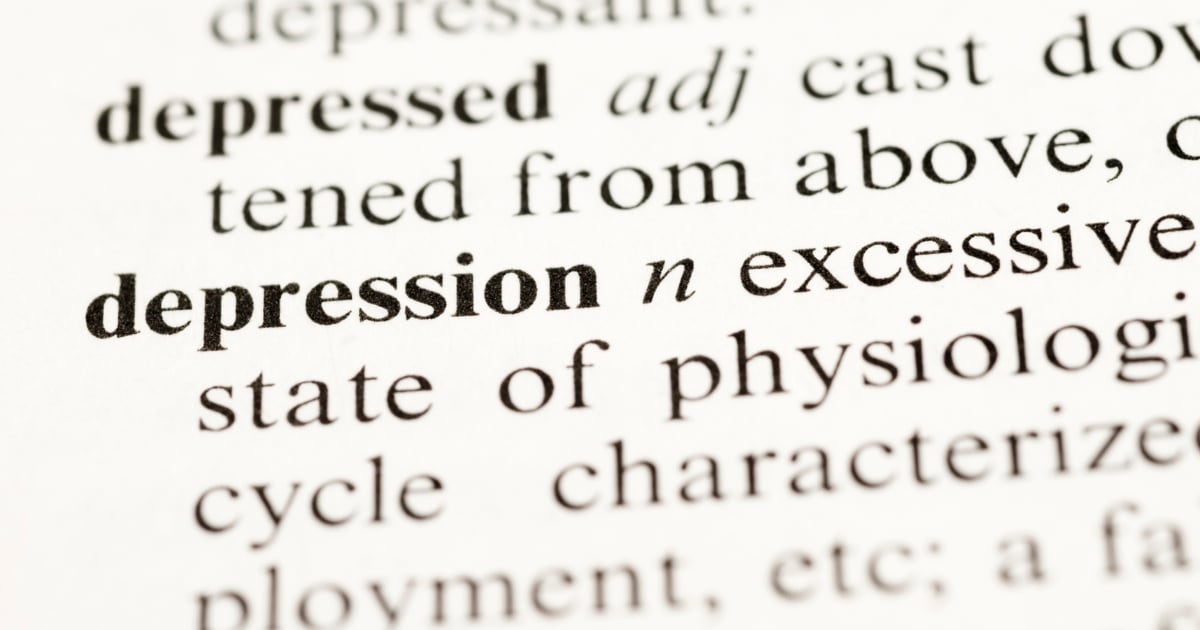
The Diagnostic and Statistical Manual of Mental Disorders, Fifth Edition (DSM-5), published by the American Psychiatric Association, classifies depression as a mood disorder with measurable diagnostic criteria. The World Health Organization recognizes depressive disorders as leading causes of disability worldwide, affecting around 332 million people globally. These classifications rest on decades of research confirming that depression is a mental illness with biological, psychological, and social factors — not character weakness or temporary sadness.
Clinical depression diagnosis criteria require specific symptoms to persist for at least two weeks and cause significant impairment in work, relationships, or daily functioning. Depression affects serotonin, norepinephrine, and dopamine pathways, regulating mood and motivation. Neuroimaging studies reveal reduced hippocampal volume and altered prefrontal cortex activity in people with major depressive disorder, demonstrating measurable brain changes.
Medical authorities classify depression as a mental illness because it meets the criteria for disease: identifiable pathology, predictable course, and response to treatment.
The Science Behind Clinical Depression and How It Differs From Sadness
The question of what causes depression in the brain has a complex answer: interactions between neurotransmitter systems, neural circuits, and genetic vulnerability create the neurobiological environment for the condition. Serotonin and norepinephrine dysfunction affects mood regulation, while dopamine disruption impairs motivation and pleasure response. These changes create an altered brain chemistry where negative thoughts persist, positive experiences feel muted, and emotional regulation becomes difficult.
The difference between sadness and clinical depression lies in duration, intensity, and functional impact. Sadness is a normal emotional response to loss, disappointment, or stress — it typically resolves as circumstances improve or time passes. Clinical depression persists regardless of external conditions, often worsening without intervention. Understanding that depression is a mental illness requires recognizing this persistence as a hallmark of the condition. While sadness might last hours or days, symptoms of major depressive disorder endure for weeks, months, or years.
- Sadness allows for moments of joy or relief; depression often involves anhedonia, the inability to experience pleasure from activities that once brought satisfaction.
- Sadness doesn’t distort self-perception; depression frequently generates persistent feelings of worthlessness or excessive guilt that are disproportionate to actual circumstances.
- Sadness doesn’t carry the same suicide risk; untreated depression is associated with elevated risk of suicidal ideation and attempts.
Common myths about depression — “it’s just in your head,” “you can snap out of it” — ignore the neurobiological reality that depression is a mental illness. Depression causes measurable physical symptoms including chronic fatigue, unexplained pain, gastrointestinal issues, and immune suppression. The condition affects systems far beyond mood, which is why depression is not just sadness but a systemic illness requiring medical attention.
| Aspect | Sadness | Clinical Depression |
|---|---|---|
| Duration | Hours to days, resolves naturally | Two weeks minimum, often months without treatment |
| Functional Impact | Minimal disruption to work, relationships, self-care | Significant impairment across multiple life domains |
| Physical Symptoms | Temporary tiredness, brief appetite changes | Persistent fatigue, sleep disruption, pain, appetite dysregulation |
| Response to Support | Improves with social connection, time, positive events | Persists despite support; requires clinical intervention |
How Doctors Diagnose Major Depressive Disorder and Other Types of Depression
How do doctors diagnose depression? The process begins with a clinical interview assessing symptom duration, severity, and functional impairment. Physicians use standardized screening tools like the Patient Health Questionnaire-Nine (PHQ-9) to quantify symptom intensity. A diagnosis requires at least five specific symptoms present during the same two-week period, with at least one being either depressed mood or loss of interest in activities. Additional criteria include significant weight change, sleep disturbance, psychomotor agitation or retardation, fatigue, feelings of worthlessness or guilt, difficulty concentrating, and recurrent thoughts of death. If you or someone you know is experiencing suicidal thoughts, call or text 988 to reach the Suicide & Crisis Lifeline, available 24/7.
Doctors rule out other medical conditions that mimic depression, including thyroid disorders, vitamin deficiencies, chronic infections, and neurological conditions. The diagnostic process also considers recent life stressors and family history of mood disorders, all of which inform treatment planning.
Types of depressive disorders extend beyond major depression. Persistent depressive disorder (dysthymia) involves chronic low-grade symptoms lasting at least two years. Seasonal affective disorder follows a seasonal pattern, typically worsening in winter months with reduced daylight. Postpartum depression affects new mothers, often within the first year after childbirth. Premenstrual dysphoric disorder causes severe mood symptoms in the luteal phase of the menstrual cycle. Each subtype has distinct features but shares the core neurobiological disruption that defines depressive illness. When patients ask, “Is depression a mental illness?” these diagnostic categories provide the clinical framework for the answer.
| Depressive Disorder Type | Key Features | Typical Duration |
|---|---|---|
| Major Depressive Disorder | Severe symptoms, significant functional impairment, episodic course | Weeks to months per episode |
| Persistent Depressive Disorder | Chronic low-grade symptoms, less severe but longer-lasting | Two years minimum |
| Seasonal Affective Disorder | Symptoms follow seasonal pattern, often winter onset | Several months annually |
| Postpartum Depression | Onset within first year after childbirth, affects bonding and functioning | Weeks to months postpartum |
Can Depression Be Treated Medically? Evidence-Based Interventions
Can depression be treated medically? Yes — multiple evidence-based approaches demonstrate that depression responds to medical treatment. Antidepressant medications, including selective serotonin reuptake inhibitors (SSRIs), serotonin-norepinephrine reuptake inhibitors (SNRIs), and other classes, help restore neurotransmitter balance. These medications typically require four to six weeks to reach full effect and work best when combined with psychotherapy.
Cognitive-behavioral therapy (CBT) helps patients identify and modify thought patterns that maintain depression. Interpersonal therapy addresses relationship difficulties, while mindfulness-based cognitive therapy reduces relapse risk.
For treatment-resistant depression, options include medication adjustments, augmentation strategies, transcranial magnetic stimulation (TMS), and electroconvulsive therapy (ECT). Lifestyle interventions — regular exercise, sleep hygiene, nutrition optimization, and social connection — complement formal treatment and support long-term recovery.
Treatment plans are individualized based on symptom severity, previous treatment response, co-occurring conditions, and patient preferences. Mild to moderate depression may respond to therapy alone, while severe depression often requires medication.

Beyond the Question: Getting Depression Treatment at San Jose Mental Health
If you’re asking yourself, “Is depression a mental illness?” or questioning whether what you’re experiencing constitutes a clinical condition, that question itself deserves professional attention. Depression doesn’t require certainty before seeking help — it requires willingness to explore whether symptoms are interfering with the life you want to live. San Jose Mental Health offers comprehensive assessment and individualized treatment for depressive disorders. Our clinical team understands that reaching out takes courage, especially when stigma or self-doubt makes the condition feel less legitimate. We provide compassionate, judgment-free evaluation to determine whether your symptoms meet diagnostic criteria and what treatment approach fits your needs. Contact us today to schedule a confidential assessment and take the first step toward recovery.
FAQs
The following questions address common concerns regarding depression and when to seek professional help.
1. Can depression be diagnosed with a blood test or brain scan?
Currently, no single medical test can diagnose depression. Doctors use clinical interviews, symptom assessments, and standardized questionnaires to make diagnoses based on DSM-5 criteria, though research into biomarkers continues to advance. Blood tests help rule out medical conditions that mimic depression, such as thyroid disorders or vitamin deficiencies, but cannot confirm the presence of a depressive disorder.
2. Is depression caused by a chemical imbalance in the brain?
While neurotransmitter function plays a role, depression is more complex than a simple chemical imbalance. It involves interactions between brain chemistry, genetics, life experiences, medical conditions, and environmental factors that affect brain structure and function.
3. What’s the difference between clinical depression and feeling depressed?
Clinical depression (major depressive disorder) involves persistent symptoms lasting at least two weeks that significantly impair daily functioning. Feeling depressed temporarily is a normal emotional response to difficult situations and typically improves without professional treatment. The distinction lies in duration, intensity, and whether symptoms prevent you from working, maintaining relationships, or caring for yourself.
4. Can depression go away on its own without treatment?
While some depressive episodes may improve over time, untreated depression often persists, worsens, or recurs. Professional treatment significantly improves outcomes, reduces symptom duration, and helps prevent future episodes and complications.
5. Does having depression mean I’ll need medication for life?
Not necessarily. Treatment plans are individualized based on depression severity, type, and personal factors. Some people benefit from short-term medication combined with therapy, while others may need longer-term treatment or can manage symptoms through therapy and lifestyle changes alone. Treatment duration adjusts as your condition improves.