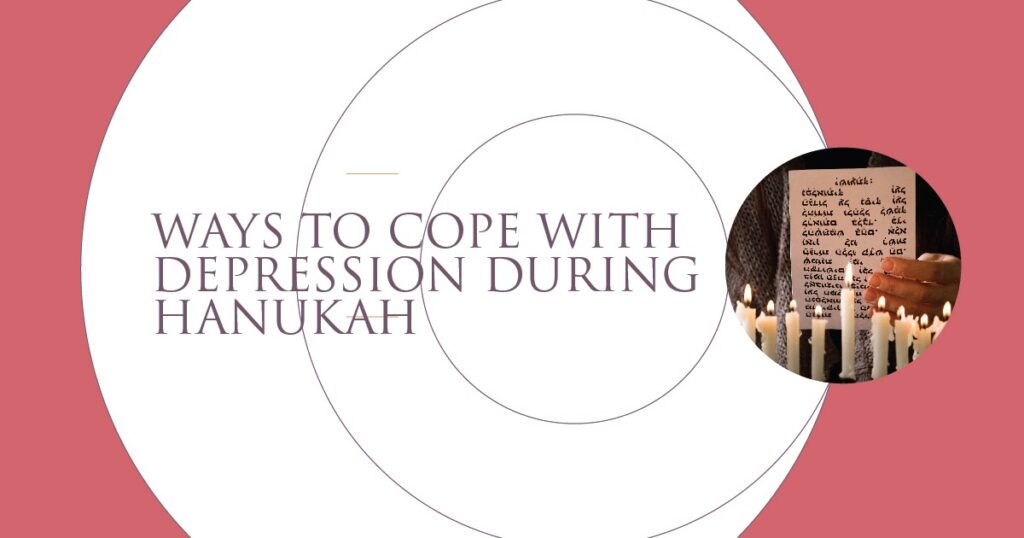




Hanukkah is often described as a season of light, warmth, and celebration – eight days filled with the glow of menorahs, the sound of laughter, and the taste of familiar comfort foods. Yet for many people, this season can bring not just light but also shadows: reminders of loss, loneliness, or unmet expectations. If you’ve ever felt sadness during a time when everyone else seems joyful, you’re far from alone.
Depression during Hanukkah can be triggered by many factors – from social isolation and financial stress to grief or the weight of seasonal affective disorder. For some, it’s the absence of loved ones who once shared the table; for others, it’s the feeling of disconnection between inner emotions and outward festivity. These struggles can feel isolating, especially when cultural traditions emphasize celebration and community.
This article offers practical, compassionate strategies to navigate the emotional landscape of Hanukkah with care. From recognizing the signs of Jewish holiday sadness to accessing Hanukkah depression support and community-based mental-health resources, we’ll explore ways to restore balance, honor your emotions, and find meaning in small moments of light.

Recognizing Depression During Hanukkah and Jewish Holiday Sadness
For some, Hanukkah magnifies emotions that remain quiet the rest of the year. When songs, rituals, and family gatherings highlight connection, those who feel lonely or disconnected may experience deeper sorrow. Recognizing depression during Hanukkah is the first step toward healing – and it begins with noticing how this time affects your thoughts, body, and spirit.
Common signs of Hanukkah-related depression include:
- Fatigue or irritability despite restful sleep.
- Withdrawal from social gatherings or traditions.
- Increased feelings of guilt, hopelessness, or emptiness.
- Changes in appetite, energy, or interest in favorite rituals.
- Emotional numbness even in joyful settings.
According to the San Jose Mental Health guide, acknowledging emotional discomfort rather than suppressing it can help prevent deeper depressive cycles. Naming how you feel – sadness, loneliness, exhaustion – allows you to approach it with compassion instead of shame.
| Emotional Trigger | Description | Common Feelings | Helpful Coping Tip |
| Family Expectations | Pressure to appear happy or engaged. | Guilt, fatigue, frustration. | Set gentle boundaries and allow quiet time. |
| Financial Strain | Gift-giving or travel expenses. | Anxiety, worry, inadequacy. | Create handmade gifts or plan free traditions. |
| Grief or Loss | Missing loved ones during gatherings. | Sadness, longing, emptiness. | Light a candle in remembrance each night. |
| Social Isolation | Distance from family or community. | Loneliness, detachment. | Join a virtual Hanukkah event or local group. |
| Cultural Pressure | Feeling disconnected from faith. | Confusion, guilt, detachment. | Engage in one meaningful ritual at your pace. |
Recognizing these patterns allows you to approach each day of Hanukkah with understanding rather than pressure.
Coping With Depression During Hanukkah Day by Day
Managing depression during Hanukkah isn’t about pretending everything is fine – it’s about creating space for both joy and rest, light and shadow. Small, daily actions can make the season feel less overwhelming and more intentional.
Helpful daily coping practices include:
- Establish small routines. Lighting the menorah, journaling gratitude, or taking a short evening walk can create a comforting structure.
- Stay connected. Call a friend, attend a community service, or text someone you trust — connection fosters emotional stability.
- Rest without guilt. Taking time for yourself is not selfish; it’s restorative.
- Celebrate moments of light. Focus on sensory joys: the flicker of candles, the scent of latkes, or the sound of laughter from afar.
Each small act of care builds emotional resilience. You are not required to “match” anyone else’s level of celebration – your version of Hanukkah can look however you need it to.
Easing Hanukkah Loneliness and Holiday Stress
Even within large families or bustling communities, loneliness can quietly persist. Hanukkah loneliness may arise from being away from family, living alone, or feeling emotionally detached during group activities. This isolation can also intensify holiday stress Hanukkah, when social expectations feel impossible to meet.
To ease loneliness and stress:
- Reach out to local synagogues or community centers — many host inclusive virtual gatherings.
- Volunteer or donate time to a cause; helping others can foster connection and purpose.
- Practice mindfulness during candle lighting by focusing on warmth and breath.
- Limit social media consumption if it triggers comparison or inadequacy.
Speak openly about your feelings with a counselor or faith leader.
As Mayo Clinic researchers note, consistent connection – even brief interactions – can significantly lower feelings of isolation. Building a web of support, however small, helps remind you that you don’t have to move through this season alone.
| Challenge | Emotional Impact | Supportive Action | Benefit |
| Loneliness | Feeling forgotten or unseen. | Schedule check-ins or join group calls. | Increased sense of belonging. |
| Holiday Stress | Overcommitment or fatigue. | Decline extra obligations politely. | Reduced anxiety and guilt. |
| Emotional Burnout | Too much activity or social pressure. | Plan quiet “recharge nights.” | Renewed energy and calm. |
| Self-Criticism | Comparing celebrations to others. | Replace judgment with self-kindness. | Greater self-acceptance. |
| Spiritual Disconnect | Feeling distant from faith. | Explore readings or music that comfort you. | Rekindled sense of purpose. |
When Grief During Hanukkah Feels Heavy
For many, the glow of the menorah also illuminates the absence of loved ones. Grief can feel sharper during a holiday once shared with someone who has passed. Instead of avoiding these emotions, allow space for remembrance.
Ways to honor grief during Hanukkah:
- Light a special candle each night in memory of the person you miss.
- Share stories about them with others or write a letter expressing gratitude.
- Attend grief-support gatherings offered by local Jewish centers.
- Replace guilt with gentleness — it’s okay to smile again while remembering.
- If grief feels overwhelming, seek counseling through faith-based or clinical programs.
According to the San Jose Mental Health guide, integrating grief rituals into holiday observances can transform pain into connection, keeping loved ones’ memories alive through acts of love and reflection.
Seasonal Affective Disorder, Hanukkah, and Light-Based Support
Shorter days and longer nights can impact mood, particularly for those prone to seasonal affective disorder (SAD). This form of depression often peaks during winter months and can intensify fatigue, irritability, and low motivation – feelings that may overlap with depression during Hanukkah.
Effective strategies to manage seasonal changes include:
- Light therapy. Use a medically approved light box for 20–30 minutes each morning.
- Outdoor time. Even brief daylight exposure can help regulate circadian rhythms.
- Physical activity. Movement releases endorphins that boost mood and energy.
- Consistent sleep. Going to bed and waking up at the same times maintains emotional balance.
- Professional guidance. Consult a therapist or physician familiar with seasonal affective disorder Hanukkah patterns for personalized care.
With intentional support and self-awareness, it’s possible to nurture emotional steadiness even in darker months.
Hanukkah Depression Support and Mental-Health Resources in the Jewish Community
Seeking help is not a sign of weakness – it’s an act of courage. The Jewish community offers a wide range of mental health resources for those experiencing Hanukkah depression support needs, from spiritual counseling to culturally sensitive therapy.
Community-based resources include:
- Jewish Family Services (JFS). Offers counseling, grief support, and financial aid for families.
- Local synagogues. Many rabbis are trained in pastoral counseling and can provide emotional guidance.
- Support groups. Both in-person and online options connect people experiencing Jewish holiday sadness or grief.
- Faith-integrated therapists. Search for providers who understand Jewish traditions and holiday rhythms.
- Hotlines and crisis centers. If distress escalates, reach out immediately for confidential, 24-hour support.
Whether through faith leaders, clinicians, or peer groups, meaningful help exists – and it’s designed to meet you exactly where you are.
Keep the Candles Burning Bright
Even when the nights feel longest, there are always small lights waiting to be kindled. Hanukkah teaches that even a single flame can push back immense darkness – a lesson that applies beautifully to mental health and resilience.
If this season feels heavy, remind yourself that healing doesn’t require perfection or constant joy. It requires gentleness, honesty, and a willingness to keep lighting candles – one day at a time.
For compassionate care, faith-sensitive therapy, and mental-health education, visit San Jose Mental Health. Their experts offer guidance designed to support emotional balance during holidays and throughout the year, helping every individual rediscover light, warmth, and peace.
FAQs
1. What are effective strategies for coping with depression during Hanukkah?
Helpful strategies include maintaining daily routines, limiting unrealistic expectations, connecting with supportive people, and seeking professional care if needed. Focusing on rest, self-compassion, and manageable traditions helps preserve emotional energy during the holiday.
2. How can one address Jewish holiday sadness and manage holiday stress during Hanukkah?
Balancing activity with quiet reflection is key. Setting boundaries, planning ahead, and practicing gratitude can reduce tension while allowing for moments of joy and peace.
3. What steps can be taken to alleviate Hanukkah loneliness and stay connected?
Reach out through local or virtual community events, volunteer opportunities, or peer support groups. Even brief connections can lessen loneliness and foster belonging.
4. Where can individuals find Hanukkah depression support and mental-health resources within the Jewish community?
Jewish Family Services, synagogues, and organizations like San Jose Mental Health provide confidential counseling, group programs, and culturally responsive therapy. These resources aim to promote wellness while honoring faith traditions.
5. How can seasonal affective disorder be managed during Hanukkah with light-based support?
Light therapy, outdoor activity, and consistent routines can counteract wintertime mood changes. Consulting a clinician ensures safe, effective treatment for individual needs.