Skip to content




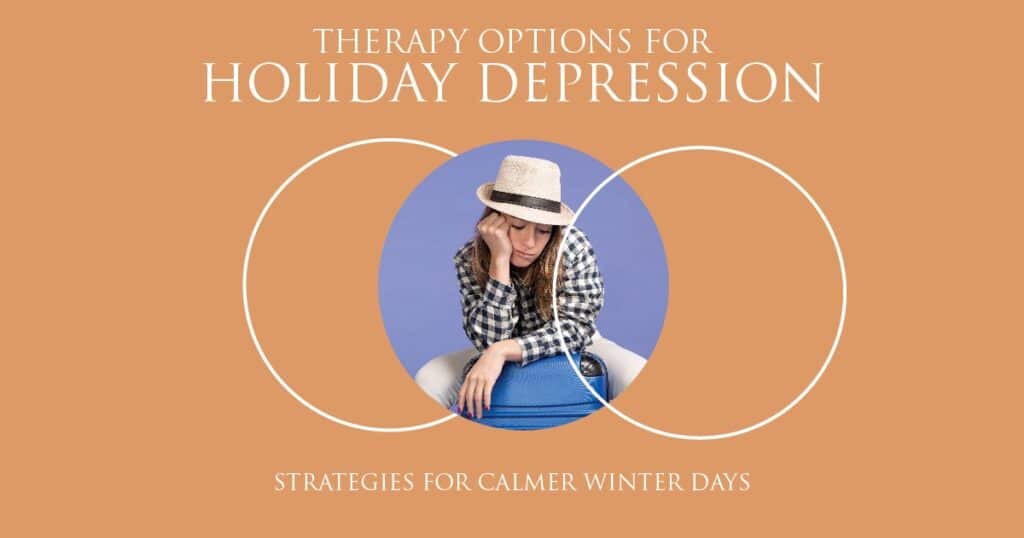
The holiday season is often portrayed as a time of joy, togetherness, and celebration – yet for many, it also carries feelings of loneliness, fatigue, or emotional heaviness that seem impossible to explain. The pressure to be cheerful, combined with family tensions, financial stress, and shorter days, can quietly build into a sense of sadness that doesn’t fade when the festivities end. If you’ve ever felt disconnected or down while everyone else seems merry, know that you’re not alone, and there are compassionate ways to heal.
Exploring therapy options for holiday depression can provide a structured path toward emotional steadiness and clarity. Whether through cognitive behavioral therapy for holiday depression, mindfulness therapy for holiday stress, or group therapy for seasonal depression, treatment offers more than relief – it fosters understanding, self-compassion, and resilience.
This guide will explore evidence-based approaches that can help calm the mind and restore balance throughout the winter months. You’ll find guidance rooted in psychology, practical techniques to integrate at home, and resources from trusted organizations like the San Jose Mental Health guide and the Mayo Clinic. Together, these strategies create light where the season sometimes feels dim.
Cognitive Behavioral Therapy for Holiday Depression
Cognitive Behavioral Therapy (CBT) is one of the most effective therapy options for holiday depression, focusing on the connection between thoughts, emotions, and behaviors. Many people find that during the holidays, unhelpful thinking patterns intensify – thoughts like “I’m failing my family” or “I should feel happier than I do” can deepen emotional distress. CBT helps challenge and reframe those beliefs into balanced perspectives that promote calm and hope.
Core CBT strategies for holiday well-being:
- Identify negative thinking. Notice recurring thoughts that fuel guilt or sadness.
- Reframe perspective. Replace “should” statements with compassionate truths.
- Practice daily gratitude. Focus on small joys, such as warmth, music, or rest.
- Schedule meaningful activities. Plan moments that bring genuine connection.
- Track progress. Journaling helps recognize shifts in mood and mindset.
According to the San Jose Mental Health team, structured CBT sessions can reduce depression symptoms by helping individuals gain control over emotional triggers and responses.
| Unhelpful Thought | Emotion Triggered | Healthier Reframe | Emotional Outcome |
| “Everyone else is happier than me.” | Isolation | “Social media shows moments, not reality.” | Acceptance, relief |
| “I ruin every holiday.” | Guilt | “I’m doing my best, and that’s enough.” | Self-compassion |
| “It’s pointless to celebrate.” | Hopelessness | “Small traditions still bring meaning.” | Renewed purpose |
| “I have to be cheerful.” | Pressure | “It’s okay to feel multiple emotions.” | Emotional freedom |
| “I can’t handle this stress.” | Overwhelm | “I can take things one step at a time.” | Confidence, calm |
CBT encourages curiosity instead of self-criticism, reminding us that healing begins when we question – not condemn – our thoughts.

Counseling for Holiday Blues and Teletherapy for Holiday Depression
For some, the act of simply speaking with a professional can feel like a release. Counseling for holiday blues provides a safe, judgment-free space to express feelings that might feel “wrong” or “ungrateful.” Through one-on-one sessions, licensed therapists help identify emotional triggers and teach coping tools for managing overwhelm, conflict, or grief.
In recent years, teletherapy for holiday depression has made counseling more accessible. Virtual sessions allow individuals to receive support from the comfort of their home – particularly helpful during winter weather or busy family schedules.
Benefits of holiday counseling and teletherapy include:
- Greater flexibility with scheduling around holiday events.
- Access to specialists who understand seasonal and cultural triggers.
- Reduced stigma and increased privacy in seeking help.
- Continuity of care when traveling or hosting guests.
- Comfort of home-based sessions that promote relaxation.
The key to success lies in consistency – even brief weekly sessions can create lasting emotional relief and improved coping capacity.
Mindfulness Therapy for Holiday Stress
When anxiety builds during December’s hustle, mindfulness offers an anchor in the present moment. Mindfulness therapy for holiday stress teaches awareness without judgment – allowing individuals to observe emotions rather than be controlled by them.
Mindfulness techniques that bring calm:
- Deep breathing: Inhale for four counts, hold briefly, and exhale for six.
- Grounding exercise: Focus on five things you see, four you feel, three you hear, two you smell, one you taste.
- Gratitude pause: Before meals or gatherings, reflect on one peaceful thing.
- Body scan: Notice and release tension in shoulders, jaw, or stomach.
According to the Mayo Clinic, mindfulness-based therapies significantly reduce symptoms of depression and anxiety, especially when paired with other treatments. Regular practice can retrain the brain’s response to stress, improving focus and emotional stability through even the busiest seasons.
Group Therapy for Seasonal Depression
Feeling understood by others facing similar challenges can be deeply healing. Group therapy for seasonal depression offers connection and perspective – reminding participants they’re not navigating winter sadness alone. Led by licensed professionals, these sessions focus on shared experiences and emotional validation rather than comparison.
Common themes explored in group therapy:
- Managing loneliness or grief during the winter holidays.
- Coping with unrealistic family or societal expectations.
- Setting achievable goals for self-care and rest.
- Building accountability and encouragement between peers.
Group settings often create community bonds that extend beyond therapy, turning support into friendship and empathy into action.
| Therapy Type | Focus Area | Format | Ideal For |
| CBT | Thought and behavior change | Individual | Overthinking, guilt, anxiety |
| Counseling | Emotional exploration | Individual or couples | Grief, burnout, sadness |
| Mindfulness Therapy | Stress regulation | Individual or group | Anxiety, racing thoughts |
| Group Therapy | Shared experiences | Group | Isolation, loneliness |
| Light Therapy | Biological rhythm alignment | Home or clinical | Fatigue, low mood from low sunlight |
| Family Therapy | Relationship healing | Family sessions | Conflict or miscommunication |
Light Therapy for Seasonal Affective Disorder
Reduced sunlight in winter can disrupt circadian rhythms and serotonin levels, leading to seasonal affective disorder (SAD) – a major contributor to holiday depression. Light therapy for seasonal affective disorder involves exposure to bright, full-spectrum light that mimics natural daylight, helping reset biological clocks and improve energy levels.
Safe and effective use includes:
- Use a light box for 20–30 minutes each morning.
- Sit about 16–24 inches away from the device.
- Avoid looking directly into the light source.
- Combine with outdoor walks when possible.
- Discuss usage with a clinician if you have eye or mood conditions.
Light therapy can be especially effective when paired with therapy options for holiday depression, such as CBT or mindfulness. It complements emotional work by addressing the physiological side of winter sadness.
Family Therapy for Holiday Conflict
While holidays are meant to bring families together, they can sometimes highlight old tensions or communication breakdowns. Family therapy for holiday conflict focuses on improving dialogue, empathy, and understanding among loved ones.
Key principles in family-centered holiday therapy:
- Encouraging active listening rather than defensive reactions.
- Setting collective goals for harmonious gatherings.
- Reducing blame and focusing on shared values.
- Building empathy through storytelling and role reversal.
- Learning emotional regulation during high-stress conversations.
When families learn to communicate with compassion, even long-standing issues can soften. Therapy creates a safe space for acknowledgment, forgiveness, and new traditions rooted in mutual respect.
Stress Management Therapy During Holidays
The combination of emotional, physical, and social demands during winter can quickly lead to burnout. Stress management therapy during holidays teaches tools to prevent exhaustion and sustain energy through the season’s busiest weeks.
Evidence-based techniques include:
- Progressive muscle relaxation. Tense and release muscle groups to reduce body stress.
- Visualization. Picture calming winter scenes to lower heart rate.
- Scheduling rest. Protect one full evening each week for recovery.
- Therapeutic journaling. Express emotions safely to reduce rumination.
- Therapist-guided planning. Prioritize commitments that align with your values.
When practiced consistently, these methods create mental clarity and emotional flexibility – the foundation for calmer, more joyful winter days.
Finding Warmth in Winter: A Reminder to Breathe and Begin Again
Even in the darkest months, healing is possible. Therapy helps you rediscover light – both within yourself and through others. Whether it’s the structure of CBT, the grounding of mindfulness, or the connection found in group support, professional care offers steady guidance through emotional fog.
For compassionate counseling, therapy referrals, and mental-health resources this winter, visit San Jose Mental Health. Their licensed clinicians and online programs are dedicated to helping you find calm, clarity, and joy this holiday season and beyond.

FAQs
1. What is the role of cognitive behavioral therapy in managing holiday depression?
CBT helps individuals identify and challenge negative thoughts that intensify sadness during the holidays. By replacing self-critical patterns with balanced, realistic perspectives, it promotes resilience and emotional balance.
2. How can counseling for holiday blues be effectively accessed through teletherapy?
Teletherapy offers flexibility and privacy for those with busy schedules or limited mobility. It provides the same professional care as in-person sessions while allowing individuals to engage from the comfort of home.
3. In what ways does mindfulness therapy help alleviate holiday stress?
Mindfulness therapy encourages awareness of the present moment, reducing rumination and emotional reactivity. Techniques like deep breathing and grounding can calm the nervous system and ease anxiety during the holidays.
4. What benefits does group therapy provide for individuals experiencing seasonal depression?
Group therapy builds a sense of belonging through shared understanding. Participants gain emotional support, accountability, and coping strategies that extend beyond sessions.
5. How does light therapy assist in addressing symptoms of seasonal affective disorder during the holidays?
Light therapy mimics natural sunlight, helping regulate serotonin and circadian rhythms. Consistent use improves energy, mood, and focus throughout the darker winter months.